
"Scandinavian brewing"
40 article(s) found

Research shows that drinking more brewed coffee can reduce the risk of breast cancer
Drinking more Scandinavian brewed coffee (similar to French kettle and Turkish / Greek pot brewed coffee) can reduce women's risk of breast cancer, according to a new study released by the University of Meau in northern Sweden.

Coffee with oysters, salad into cake. There are so many creative delicacies hidden in the cafe!
A cafe is not only a place to sell coffee, but also a way of life, an expression of good things. There should be up-to-date food information, correct flavor presentation and excellent taste experience. ▼ Holland | Scandinavian Embassy Michelin-level cafe Nicholas is proficient in coffee production and won the Swedish brewing championship in 2013; while Rikard

The practice of Norwegian Egg Coffee what is the difference between Norwegian Egg Coffee and Vietnamese Egg Coffee
Norway is located in the Nordic region, where it is cold, and traditional Norwegian people are used to unfiltered boiled coffee. Norwegian Egg Coffee is also called Scandinavian Coffee. When making, you need to mix raw eggs, coffee powder and water. It's easy to fry chicken. It has no bitter taste, elegant and smooth, with aromas of baking and cheese. If you can't go to the local area to taste it in person
Drinking more brewed coffee can reduce the risk of breast cancer
Drinking more Scandinavian brewed coffee (similar to French kettle and Turkish / Greek pot brewed coffee) can reduce women's risk of breast cancer, according to a new study released by the University of Meau in northern Sweden.

Espresso contains less caffeine than regular coffee
A cup of regular brewed coffee contains 115 mg of caffeine, espresso (and coffee brewed in a percolator) contains about 80 mg, and instant coffee contains only 65 mg. Decaffeinated coffee is not complete without caffeine, it is about 3 milligrams. A can of Coca-Cola contains about 45 mg of caffeine, Pepsi 38 mg, Mountain Dew 54 mg, and TAB47 mg. Tea contains about 40%.

Roasting Kenyan AA Coffee beans by hand net extraction parameters of Kenyan Coffee Brewing
Professional coffee knowledge exchange more coffee bean information please follow the coffee workshop (Wechat official account cafe_style) personally like the master's Nordic shallow baking works, unwittingly there are a lot of wooden clips on the coffee bag, so before this manual web baking practice, take some time to study and review again.
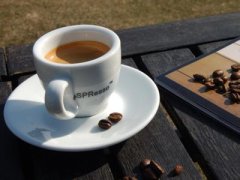
Espresso coffee contains less caffeine than regular coffee.
A cup of regular brewed coffee contains 115 mg of caffeine, espresso coffee (and percolator brewed coffee) about 80 mg, and instant coffee about 65 mg. Decaffeinated coffee is not completely decaffeinated and is about 3 mg. A can of Coke contains about 45 mg of caffeine, Pepsi 38 mg,Mountain Dew 54 mg, and TAB47 mg. Tea contains about 40
Espresso contains less caffeine than regular coffee
A cup of regular brewed coffee contains 115 mg of caffeine, espresso (and coffee brewed in a percolator) contains about 80 mg, and instant coffee contains only 65 mg. Decaffeinated coffee is not complete without caffeine, it is about 3 milligrams. A can of Coca-Cola contains about 45 mg of caffeine, Pepsi 38 mg, Mountain Dew 54 mg, and TAB47 mg. Tea contains about 40%.
Coffee has a certain therapeutic function after roasting.
In recent years, the health effect of phenolic acid has attracted people's attention. it can resist oxidative diseases such as coronary heart disease through the intake of fruits and vegetables.
Did you know that espresso coffee has less caffeine than regular coffee?
A cup of regular brewed coffee contains 115 mg of caffeine, espresso coffee (and percolator brewed coffee) about 80 mg, and instant coffee about 65 mg. Decaffeinated coffee is not completely decaffeinated and is about 3 mg. A can of Coke contains about 45 mg of caffeine, Pepsi 38 mg,Mountain Dew 54 mg, and TAB47 mg. Tea contains about 40
Did you know that drip coffee contains less caffeine than regular coffee?
A cup of popular brewed coffee contains 115 milligrams of caffeine, espresso (and coffee brewed in a percolator) contains about 80 milligrams, while instant coffee contains only 65 milligrams. Decaffeinated coffee is not complete without caffeine, about 3 milligrams. A can of Coca-Cola contains about 45 mg of caffeine, Pepsi 38 mg, MountainDew 54 mg, and TAB47 mg. Tea contains about 4.
Coffee health coffee has a certain therapeutic function after roasting.
In recent years, the health effect of phenolic acid has attracted people's attention. it can resist oxidative diseases such as coronary heart disease through the intake of fruits and vegetables.
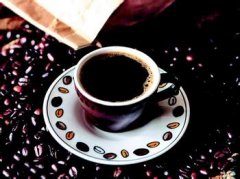
Did you know that espresso contains less caffeine than regular coffee?
A cup of regular brewed coffee contains 115 mg of caffeine, espresso (and coffee brewed in a percolator) contains about 80 mg, and instant coffee contains only 65 mg. Decaffeinated coffee is not complete without caffeine, it is about 3 milligrams. A can of Coca-Cola contains about 45 mg of caffeine, Pepsi 38 mg, Mountain Dew 54 mg, and TAB47 mg. Tea contains about 40%.

Starage Coffee Roasting officially opens in Florida
Professional barista communication Please pay attention to Coffee Workshop (Weixin Official Accounts cafe_style ) In all photos of Starage Coffee Roasting, letters from the new hereditary retail bar. Wholesale roaster Starage Coffee Roasting also opened its first full-fledged brick-and-mortar store this month at its business anniversary celebration in orlando, fla. in
The history of coffee roasters
As early as the 13th century, the Arabs invented to put coffee beans in a pot, stir-fry them with fire, grind them into powder, and then brew coffee. The early Arabs liked to bake the beans shallowly and boil them with spices such as cardamom. Later, this coffee stir-frying method spread to Syria, Turkey and Egypt, where it was used to stir-fry the coffee black, then grind it into powder and add it.
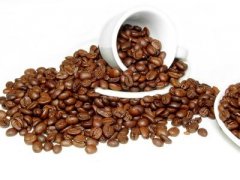
Coffee Culture Common sense Coffee Culture in Northern Europe
The coffee culture in central and northern Europe is not as enthusiastic as the Italians or as romantic as the French. People in central and northern Europe drink coffee rationally and gently, just like their organized national characteristics. European life and coffee have become almost inextricably linked, except for the distinctive coffee culture in Italy and France, from Austria and Switzerland.

What's so special about the coffee made by the French kettle? Who invented the French pressure filter coffee maker?
Professional baristas Please follow the breakthrough in coffee brewing in the coffee workshop (Wechat official account cafe_style): coffee made from French coffee pots contains more caffeine, caffeinol, and oil associated with high cholesterol. But not all of these chemicals are bad. They help prevent hepatitis. From the beginning, the French paid more attention to making coffee than others, Willia
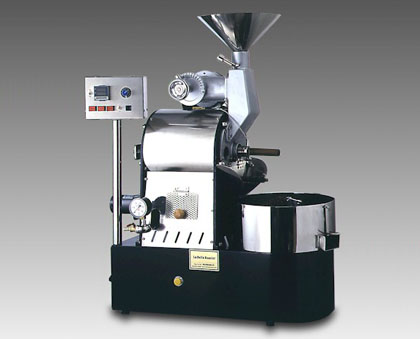
The evolution history of coffee roaster
As early as the 13th century, the Arabs invented to put coffee beans in a pot, stir-fry them with fire, grind them into powder, and then brew coffee. The early Arabs liked to bake the beans shallowly and boil them with spices such as cardamom. Later, this coffee stir-frying method spread to Syria, Turkey and Egypt, where it was used to stir-fry the coffee black, then grind it into powder and add it.
About the history of coffee roasters
The history of coffee roasters as early as the 13th century, the Arabs invented to put coffee beans in a pot, heat and stir-fry them, then grind them into powder, and then brew coffee. The early Arabs liked to bake the beans shallowly and boil them with spices such as cardamom. Later, this method of stir-frying coffee spread to Syria, Turkey and Egypt, where it was used to stir-fry coffee black.
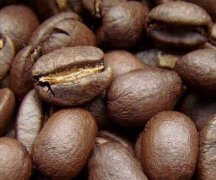
The history of coffee roaster basic knowledge of coffee
As early as the 13th century, the Arabs invented to put coffee beans in a pot, stir-fry them with fire, grind them into powder, and then brew coffee. The early Arabs liked to bake the beans shallowly and boil them with spices such as cardamom. Later, this coffee stir-frying method spread to Syria, Turkey and Egypt, where it was used to stir-fry the coffee black, then grind it into powder and add it.